
How to Take Your Photography to the Next Level Through Photo Editing
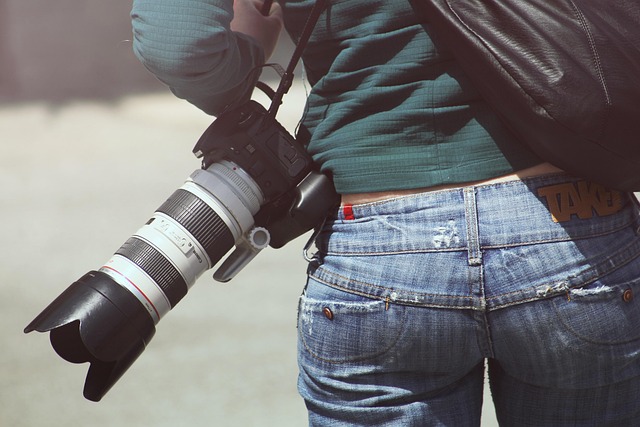
Many photographers believe that taking their photography to the next level starts and ends with the camera. Better lenses, better lighting, better composition. While those elements are essential, they are only part of the equation. Truly next-level photography is achieved when shooting and post-production work together as a single creative process.
To take your photography to the next level, you must move beyond the camera and master photo editing. Post-production allows full control over colour, tone, detail, and mood—turning raw captures into finished, professional images.
Over the years, working both as a photographer and a professional photo editor, I’ve learned one key truth: the photograph isn’t finished when the shutter clicks. It’s finished when the image reflects the vision you had in your mind. That final step—photo editing—is where good photographs become great ones.
The Foundation: Strong Photography Still Matters
To take your photography to the next level, you must first understand the fundamentals. Consistent practice builds your visual instincts. Carrying a camera regularly trains your eye to see light, gesture, and emotion before they disappear.
Understanding lighting—both natural and artificial—allows you to shape mood and depth. Composition helps guide the viewer’s eye and strengthens storytelling. Mastering manual camera settings gives you control instead of relying on automation.
These skills are non-negotiable. But they are still only the beginning.
Why Shooting Is Only the First Step
Even the best photographers don’t rely solely on straight-out-of-camera images. Cameras capture data, not interpretation. They record light, but they don’t understand emotion, intention, or atmosphere.
This is where many photographers hit a ceiling. They feel their work is “almost there” but never quite reaches the level they admire in professionals. The missing link is usually post-production knowledge.
Without the ability to refine tone, colour, contrast, and detail, your images will always fall short of their potential.
How Photo Editing Takes Photography to the Next Level
Photo editing is not about fixing mistakes—it’s about completing the image. It allows you to:
-
Correct exposure and colour balance
-
Guide the viewer’s attention
-
Enhance mood and atmosphere
-
Create consistency across a body of work
-
Develop a recognisable visual style
Next-level photography requires control, and editing is where that control lives.
I learned this lesson early in my career, and not gently.
A Personal Lesson in the Importance of Editing
I remember delivering a set of model photos to a client early in my photography journey. The images were sharp, well-lit, and technically sound. Confident, I handed them over unedited.
The response was immediate—and brutal. She was furious that I couldn’t even provide basic colour correction.
At the time, it felt unfair. Looking back, it was one of the most important moments of my career. That experience forced me to understand something fundamental: clients don’t see potential, they see results.
My Journey Into Professional Photo Editing
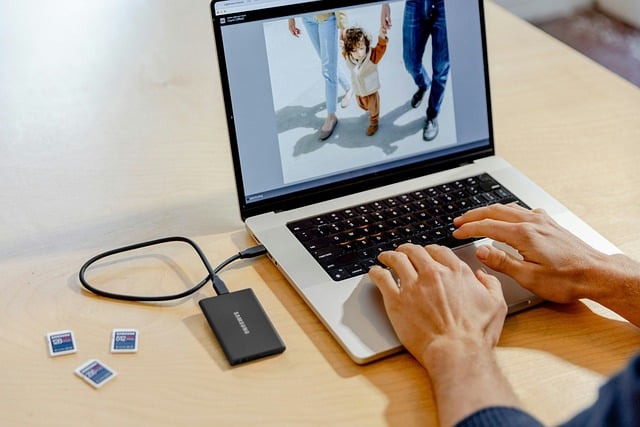
With a background as a professional photographer, I was determined to improve. I began learning post-production seriously. I started with Google Picasa, experimenting with basic exposure and colour adjustments. It was limited, but it taught me how much impact editing could have.
From there, I moved into Adobe Photoshop, learning retouching, layers, masking, and restoration techniques. Adobe Lightroom followed, transforming my workflow and teaching me consistency, colour grading, and batch editing. Later, I expanded into Affinity Photo, appreciating its powerful tools and alternative approach.
Each platform deepened my understanding, but the biggest shift was philosophical: editing wasn’t optional—it was essential.
Editing Is Where Style and Professionalism Are Born
Two photographers can shoot the same scene with the same camera, yet produce completely different results in post-production. Editing is where personal style emerges. It’s where images become cohesive, intentional, and professional.
This is especially true for:
-
Portrait retouching
-
Photo restoration
-
Colour grading
-
Fine art photography
-
Archival image correction
Without mastering editing—or working with someone who has—photographers limit their growth.
When to Edit Yourself and When to Outsource
Learning photo editing is incredibly valuable, but not everyone has the time or desire to master it fully. Many photographers reach a point where outsourcing post-production allows them to focus on shooting while still delivering high-end results.
My work in photo restoration and retouching grew directly from this need. What began as a skill to support my own photography evolved into a dedicated service helping others elevate their images beyond the camera.
This is why post-production is not just a technical step—it’s a strategic one.
True Next-Level Photography Is Complete Creative Control
Taking your photography to the next level means owning the entire process, from capture to final image. Whether you choose to edit your work yourself or collaborate with a professional editor, post-production must be part of your workflow.
If I had never mastered photo editing, I would never have reached the level of photography I aspired to. Editing gave me consistency, confidence, and creative freedom. It transformed how my work was perceived—and how I perceived myself as a professional.
Frequently Asked Questions About Photography and Photo Editing
Is photo editing necessary to take photography to the next level?
Yes. Editing allows photographers to refine colour, contrast, detail, and mood. Without post-production, images rarely reach a professional standard.
Can professional photo editing improve older or damaged photos?
Absolutely. Photo restoration techniques can repair faded, damaged, or aged images, bringing them back to life while preserving authenticity.
Should photographers learn editing or outsource it?
Both options are valid. Learning editing improves creative control, while outsourcing to professional photo editing services saves time and ensures consistent, high-quality results.
What is the most important part of the photography post-production workflow?
Colour correction and tonal balance are foundational. They set the emotional tone and visual consistency of an image before further retouching.
Photography doesn’t end when you press the shutter.
That’s where it truly begins.