
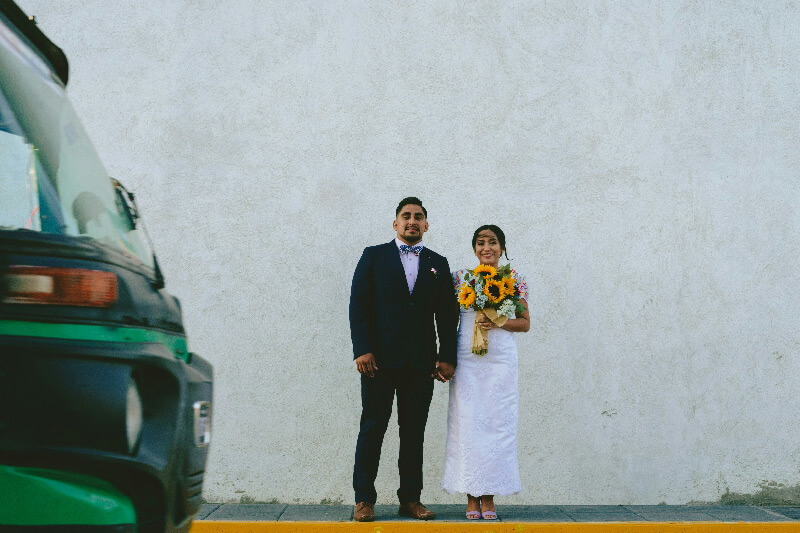
Wedding photography is one of the most challenging and high-pressure areas of professional photography. Unlike many other types of photography, weddings happen in real time, and there are no second chances to capture key moments. From difficult lighting conditions to missing important guests in group photos, even experienced photographers can make mistakes that affect the final images.
As a professional photo editor and retoucher, I regularly work with wedding photographers who need help improving or repairing their images after the event. Over the years, I’ve seen many of the same issues appear again and again in wedding photos sent to me for editing.
In fact, many of the most common complaints I hear from my wedding retouching clients involve mistakes made during the original shoot—things like harsh sunlight ruining portraits, missing important family members from group photos, poor exposure settings, or images that were captured in JPEG instead of RAW. While professional photo retouching can often improve these images, preventing the problem during the shoot is always the best solution.
In this article, I’ll highlight some of the biggest mistakes wedding photographers make, based on real-world experience editing wedding photographs, along with practical tips on how to avoid them.
What Are the Biggest Wedding Photography Mistakes?
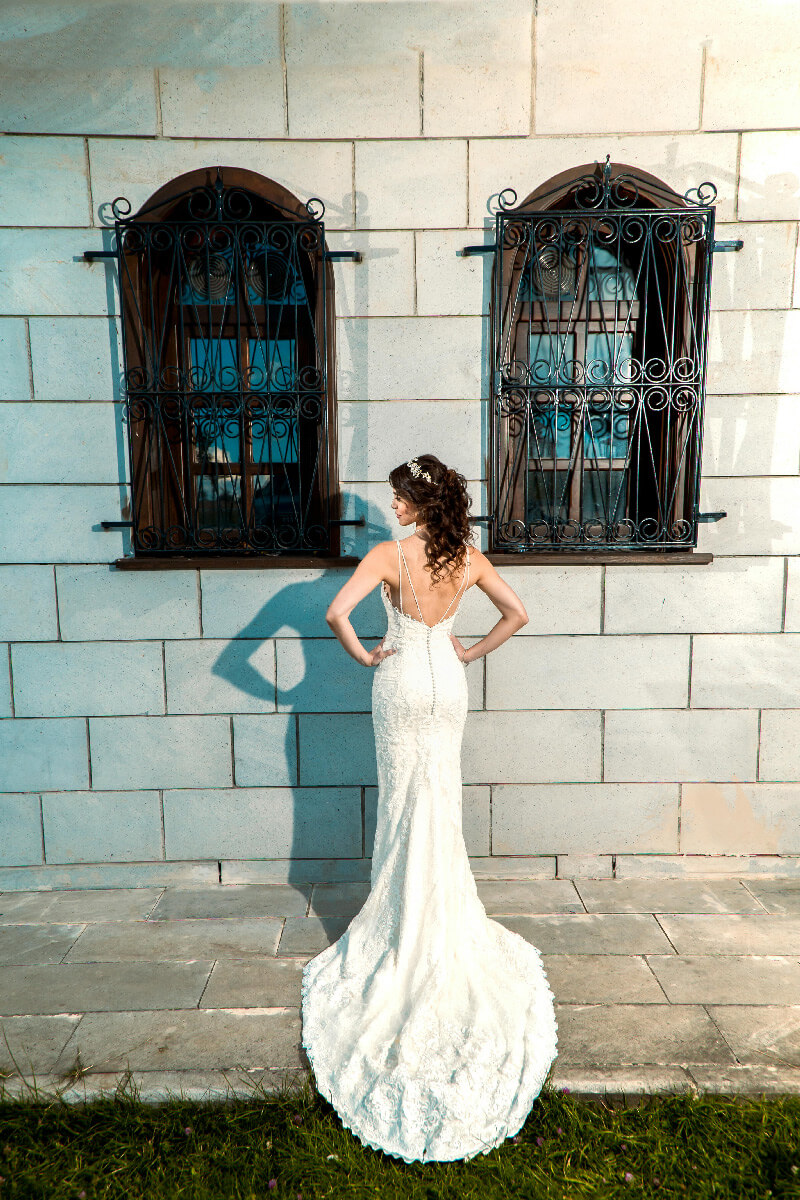
The biggest mistakes wedding photographers make include poor planning, shooting in harsh sunlight, failing to create a wedding shot list, shooting only in JPEG instead of RAW, and not having basic photo editing skills. These mistakes can lead to missing important moments, poorly exposed images, and photos that require extensive retouching. Proper preparation, understanding lighting conditions, and learning basic post-production techniques can dramatically improve wedding photography results.
1. Not Planning the Wedding Shoot Properly
One of the most common wedding photography mistakes is failing to plan the shoot in advance.
Weddings move quickly, and without a clear understanding of the schedule and location, photographers can easily miss important moments. Planning ahead allows photographers to identify the best photo opportunities and anticipate potential challenges.
Proper planning should include:
-
Visiting the venue before the wedding
-
Identifying good portrait locations
-
Checking lighting conditions throughout the day
-
Reviewing the ceremony timeline
A simple venue visit can help photographers determine where natural light falls, where shadows might appear, and which backgrounds will work best for portraits.
Planning ahead reduces stress and significantly improves the overall quality of wedding photos.
2. Ignoring the Problems Caused by Bright Sunlight
Outdoor weddings often look beautiful in person, but bright sunlight can cause serious problems in photography. When lighting problems do occur, professional photo retouching services can often correct exposure problems, reduce harsh shadows, and improve overall image quality.
Direct sunlight can create:
-
Harsh shadows across faces
-
Squinting subjects
-
Overexposed highlights
-
Loss of detail in white wedding dresses
Many photographers underestimate how difficult midday sunlight can be.
Professional wedding photographers often try to:
-
Photograph couples in shaded areas
-
Position the sun behind the subjects
-
Use reflectors or diffusers
-
Schedule portraits during softer light in the early morning or late afternoon
When lighting problems do occur, professional photo retouching services can sometimes help correct exposure issues and improve the final image quality. However, avoiding harsh lighting during the shoot is always the best solution.
3. Not Creating a Wedding Photography Shot List
Another common mistake is failing to prepare a wedding photography shot list.
Weddings involve many important people, including family members, friends, and the wedding party. Without a structured list, photographers may accidentally miss key group photos.
Important shots often include:
-
Bride with parents
-
Groom with parents
-
Bride and groom with grandparents
-
Group photos with siblings
-
Photos with close friends or special guests
A pre-planned shot list ensures everyone important appears in the wedding album.
It also helps photographers stay organised during the busy schedule of the wedding day.
4. Not Photographing the Location for Editing Purposes
A simple but often overlooked technique is taking clean photos of the wedding location itself.
Photographers should capture extra images of:
-
The ceremony location
-
The reception area
-
Scenic backgrounds
-
Architectural details
These images can be extremely useful later during editing.
For example, if an unwanted object appears in the background or someone walks into the frame, having a clean background image can make retouching much easier.
Professional editors often rely on these additional images when performing photo restoration services or advanced image corrections.
5. Not Knowing Basic Photo Editing Skills

Another major issue is photographers who do not have a good understanding of photo editing and retouching.
Modern photography workflows almost always involve some level of post-production editing. Basic editing skills are essential for:
-
Correcting exposure
-
Adjusting color balance
-
Removing distractions
-
Enhancing contrast and detail
-
Improving overall image quality
Professional photographers typically use editing tools such as Adobe Photoshop and Lightroom to refine their images.
Photographers who struggle with more complex edits may choose to work with a professional photo editor or retouching specialist to improve their final results.
(Internal link suggestion: anchor text “professional photo editor or retouching specialist” linking to your homepage)
6. Shooting Only in JPEG Instead of RAW
One of the most common technical mistakes in wedding photography is shooting only in JPEG format.
JPEG images are compressed and contain less data, which limits how much adjustment can be made during editing.
RAW files contain significantly more information and allow photographers to:
-
Recover lost highlights
-
Correct exposure mistakes
-
Adjust white balance accurately
-
Preserve better image quality
Because weddings often involve difficult lighting conditions, shooting in RAW format provides much greater flexibility during editing.
Most professionals shoot RAW + JPEG to ensure maximum editing control.
7. Not Having Backup Equipment
Weddings are unpredictable, and equipment problems can happen at any time.
Professional wedding photographers should always have backup gear available, including:
-
A second camera body
-
Spare lenses
-
Extra batteries
-
Additional memory cards
Preparation ensures that equipment failures do not ruin important wedding photos.
Why Professional Photo Retouching Matters for Wedding Photography
Even experienced photographers occasionally encounter images that require extra work during editing.
Professional wedding photo retouching can help correct exposure issues, remove distractions, enhance lighting, and improve overall image quality. In some cases, retouching can even rescue photographs that might otherwise be unusable.
However, the best results always come from combining strong photography skills with efficient editing techniques.
Wedding Photography Mistakes – Frequently Asked Questions
What is the biggest mistake wedding photographers make?
The biggest mistake many wedding photographers make is failing to plan properly before the wedding. Without scouting the venue, understanding lighting conditions, or preparing a shot list, photographers may miss important moments or struggle with difficult lighting.
Should wedding photographers shoot in RAW or JPEG?
Professional wedding photographers should shoot in RAW format because RAW files contain more image data. This allows photographers to recover highlights, correct exposure errors, and make more precise adjustments during editing.
Why is a wedding photography shot list important?
A wedding photography shot list ensures that important family members and guests are included in group photos. Without a structured list, photographers can easily overlook key images during the busy wedding schedule.
Can bad wedding photos be fixed with editing?
Many issues such as exposure problems, color correction, and minor distractions can be improved with professional photo retouching. However, problems like missing subjects or severely overexposed photos are much harder to fix.
How can photographers avoid harsh sunlight in wedding photos?
Photographers can avoid harsh sunlight by shooting in shaded areas, positioning subjects with the sun behind them, using reflectors or diffusers, and scheduling portraits during softer lighting conditions such as early morning or late afternoon.
Can Bad Wedding Photos Be Fixed?
Many photographers worry that poorly lit or imperfect wedding photos cannot be rescued. Fortunately, modern editing tools and professional retouching techniques can often dramatically improve images that initially appear unusable.
Common issues that can often be corrected include:
-
Harsh shadows caused by bright sunlight
-
Incorrect white balance or color casts
-
Underexposed or overexposed images
-
Distracting background elements
-
Minor skin imperfections or distractions
Using professional editing software such as Adobe Photoshop, it is often possible to enhance lighting, adjust color balance, and restore detail that may have been lost during the original shoot.
In some cases, photographers choose to work with a professional photo retouching service to repair or improve difficult images, especially when wedding photos involve complex lighting or important once-in-a-lifetime moments.
If you’re dealing with challenging wedding photographs that need improvement, professional retouching can often help rescue images and ensure that couples receive the high-quality photos they expect from their wedding day.